Are Crocodile Handbags Worth It? Value & Resale Factors
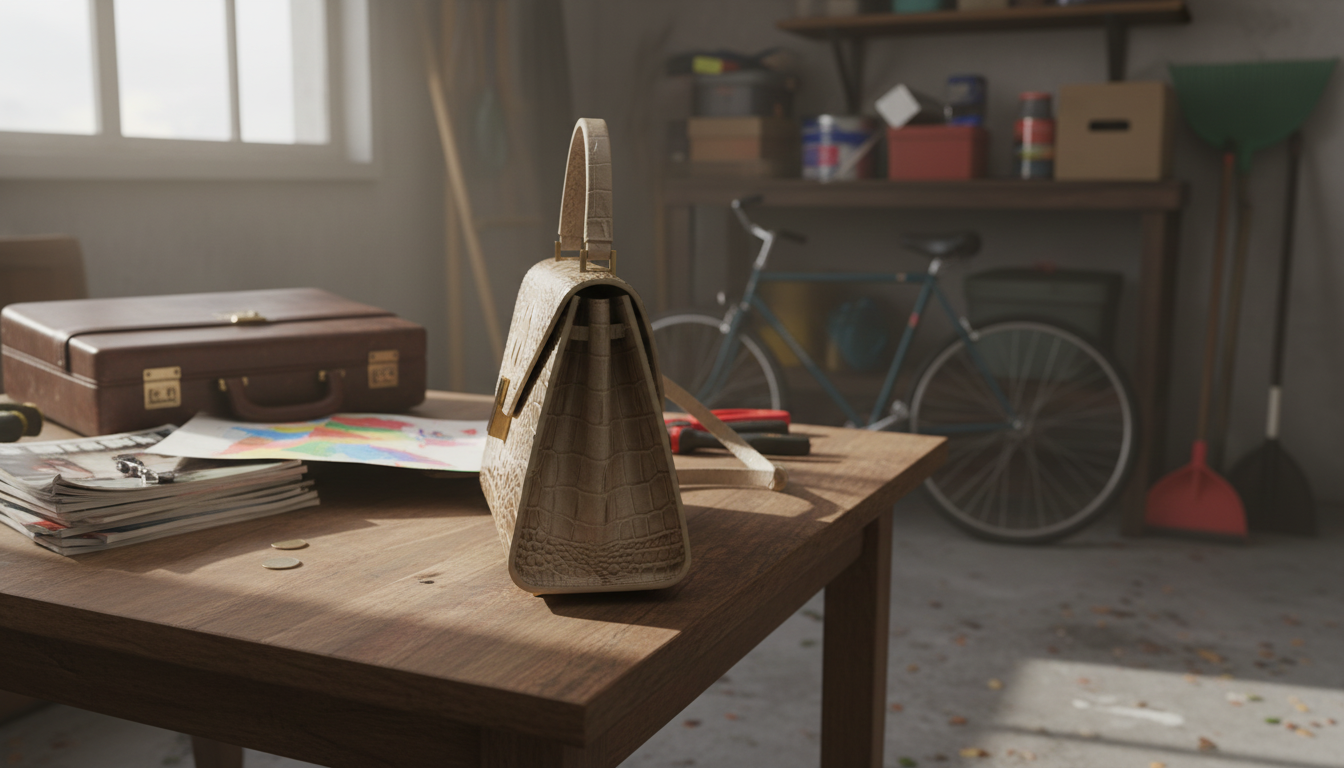
Are crocodile handbags worth anything?
Yes—crocodile handbags can be worth a lot, but the value varies widely based on authenticity, brand, craftsmanship, condition, and legality of the material. A well-made, genuine crocodile bag from a respected luxury house can hold value better than many fashion bags, while unbranded pieces or bags made from lower-grade skins may resell for far less than their original price.
If you want a deeper breakdown of what drives pricing and resale, see the full guide here: https://sleektrendworld.shop/are-crocodile-handbags-worth-anything/.
What makes a crocodile handbag valuable?
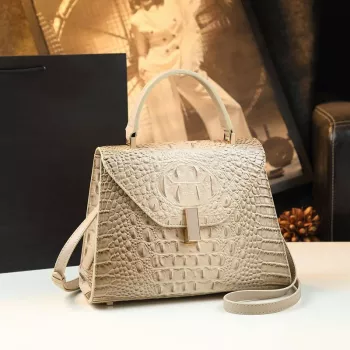
The biggest value drivers are the skin type and quality (true crocodile vs. embossed leather), the cut and symmetry of the scales, and the level of finishing. Clean stitching, premium hardware, smooth edges, and consistent color all signal higher craftsmanship. Brand reputation also matters: established luxury labels typically command stronger resale demand than boutique or no-name makers.
How can you tell if it’s real crocodile?
Genuine crocodile has natural scale variation and a distinctive pattern that doesn’t repeat perfectly, unlike embossed leather. Details like hand-feel, pores, and transitions between scales often look more organic on real skins. For high-stakes purchases or selling, professional authentication and documentation are key—especially when a bag is claimed to be from a major luxury brand.
Does condition affect resale value?
Condition can move the price dramatically. Scratches, dryness, corner wear, warped structure, staining, or repaired areas usually reduce value, while a well-kept bag with minimal wear tends to perform better. Having original packaging, receipts, certificates, and care cards can also boost buyer confidence and resale price.
What about legality and paperwork?
Exotic leathers are regulated in many markets, and trade rules can affect sales and shipping. Proof of legal sourcing and proper import/export paperwork may be required, especially for cross-border transactions. A bag with unclear provenance can be harder to sell, even if it’s authentic.
FAQ
How do you care for a crocodile handbag to maintain its value?
Store it in a dust bag, keep it away from heat and direct sun, and avoid moisture or harsh cleaners. Wipe gently with a soft, dry cloth after use and prevent overstuffing to protect the structure and scales.






Leave a comment